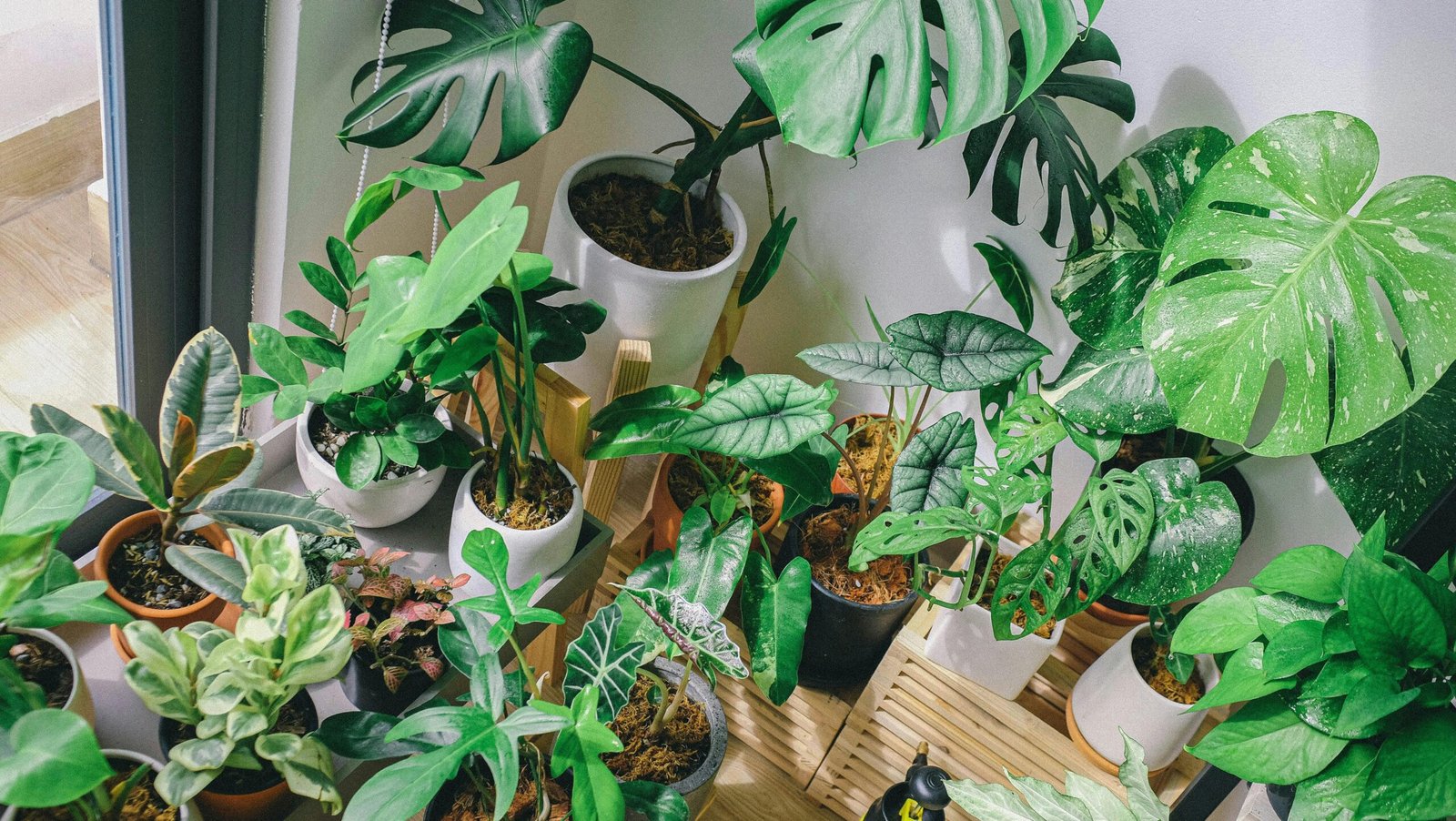
When I first started keeping indoor plants, I honestly thought I just wasn’t cut out for it.
No matter what I did, my houseplants would yellow, droop, or sit there doing absolutely nothing. I watered carefully, followed advice, and still felt like I was constantly guessing — and getting it wrong.
What I eventually realized is that most plant problems aren’t about having a “green thumb.” They’re about missing the right tools.
Once I stopped guessing and started using a few simple indoor plant tools, everything changed. My plants became easier to care for, more forgiving, and a lot healthier overall. If you’re feeling overwhelmed or frustrated, these are the must-have indoor plant tools that made the biggest difference for me — especially as a beginner.
1. Moisture Meter
(The Tool That Ended My Overwatering)
If I could recommend just one tool to a beginner, this would be it.
Overwatering is the most common reason indoor plants struggle — and it usually comes from good intentions. I used to water based on schedules or how dry the soil felt on top, which almost always led to root rot.
A moisture meter completely removes the guesswork by showing you how wet the soil is below the surface, where the roots actually are.
Why it’s so helpful:
- Tells you exactly when to water
- Prevents accidental overwatering
- Builds confidence for beginners
👉 Check current price on Amazon
2. Self-Watering Planters
There was a time when I either watered too much… or forgot entirely.
Self-watering planters helped me find a middle ground. They hold water in a reservoir and allow the plant to absorb moisture slowly as needed, which creates much more consistent care.
These work especially well for:
- Pothos
- Snake plants
- Peace lilies
- Herbs
If you travel, work long hours, or just want lower-maintenance plant care, these are a lifesaver.
👉 See top-rated self-watering planters
Self Watering Planter Pots, Terracotta Clay Pots with Glass Reservoir
3. LED Grow Light (A Game-Changer for Low-Light Homes)
Not every home gets bright, indirect light — especially apartments or shaded spaces.
Adding a grow light was one of the biggest improvements I made. Plants that barely survived near windows suddenly started producing fuller, stronger growth.
A good LED grow light:
- Supports healthy leaf growth
- Prevents leggy, stretched plants
- Helps plants survive darker months
Look for full-spectrum LED grow lights that are easy to clip onto shelves or plant stands.
👉 View best indoor grow lights for houseplants
4. High-Quality Indoor Potting Mix
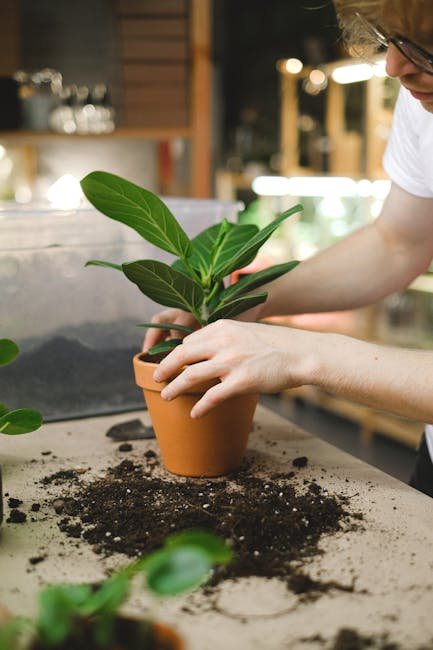
Early on, I didn’t realize how much soil mattered.
Using outdoor soil indoors is a mistake — it compacts easily and holds too much water. Switching to a high-quality indoor potting mix made an immediate difference in drainage, root health, and even pest issues.
A good indoor potting mix should:
- Drain well
- Stay light and airy
- Help reduce fungus gnats
👉 Shop top indoor potting soils
5. Pruning Shears (Small Tool, Big Difference)
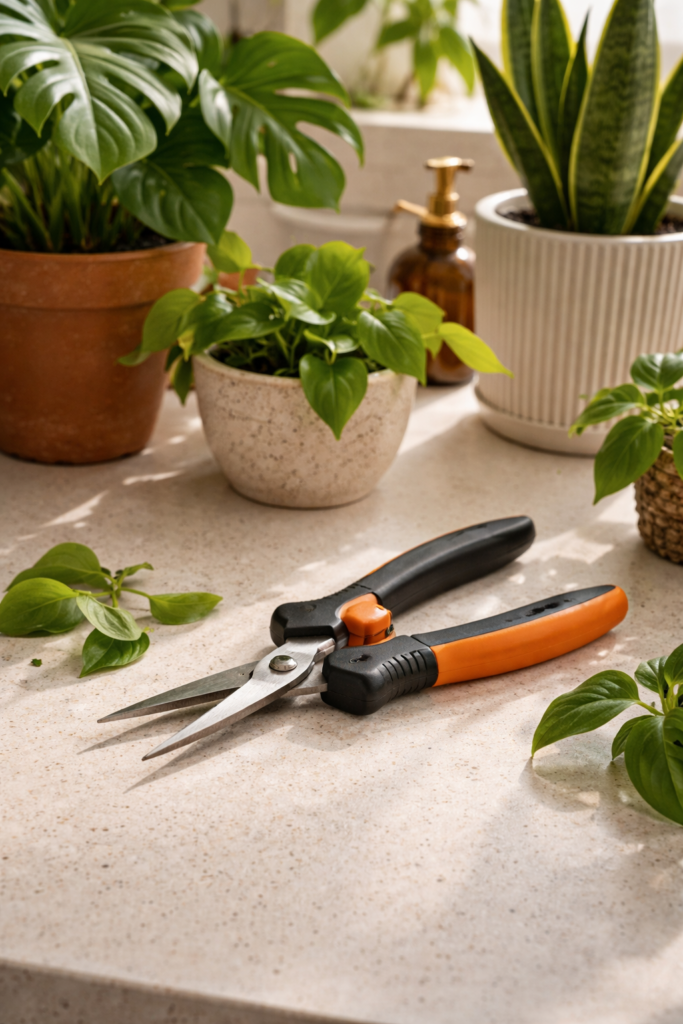
Dead or damaged leaves don’t just look bad — they steal energy from the rest of the plant.
Sharp pruning shears make clean cuts, which helps plants heal faster and encourages new growth. I keep a small pair nearby because they’re useful more often than you’d expect.
Tip: Always disinfect between plants to avoid spreading pests.
👉 Check highly rated pruning shears
6. Liquid Fertilizer for Indoor Plants
Indoor plants rely completely on us for nutrients.
Once I started using a gentle liquid fertilizer, my plants developed deeper green leaves and steadier growth. The key is consistency — a little goes a long way.
Choose one labeled specifically for indoor houseplants and follow the instructions carefully.
👉 See best indoor plant fertilizers
Liquid Fertilizer Concentrate – one of my favorites
7. Drainage Trays & Saucers (Simple but Essential)
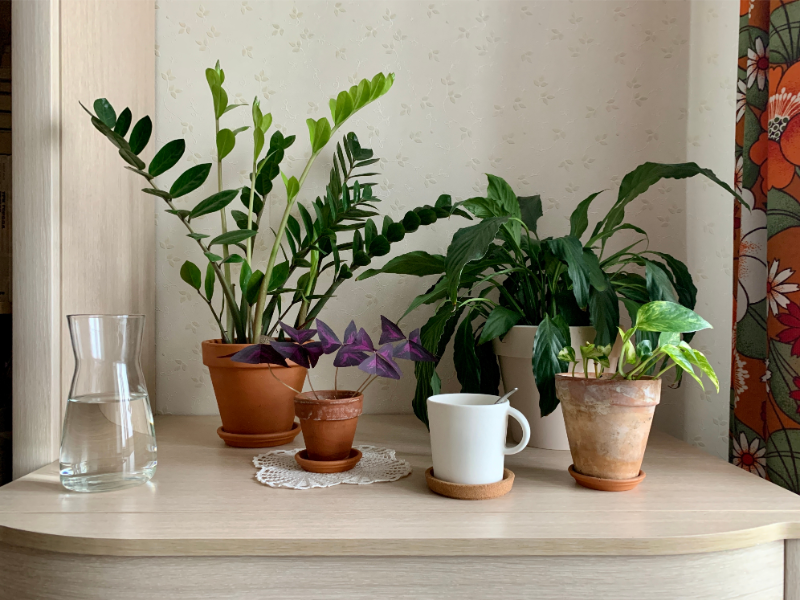
Before I used drainage trays, excess water would sit under pots and quietly cause problems I didn’t notice right away.
Drainage trays:
- Catch excess water
- Prevent root rot
- Protect floors and furniture
They’re inexpensive, easy to overlook, and absolutely worth having.
👉 Browse drainage trays for plant pots
Quick Comparison Table
| Tool | Why It Matters | Skill Level |
| Moisture Meter | Prevents overwatering | Beginner |
| Self-Watering Planter | Consistent moisture | Beginner |
| Grow Light | Low-light support | Beginner–Intermediate |
| Potting Mix | Healthy roots | Beginner |
| Pruning Shears | Encourages new growth | Beginner |
| Fertilizer | Nutrient support | Beginner |
| Drainage Trays | Root & floor protection | Beginner |
Frequently Asked Questions
What is the most important indoor plant tool?
For most beginners, a moisture meter makes the biggest difference because it prevents overwatering.
Do indoor plants really need grow lights?
If your home lacks bright, indirect light for most of the day, a grow light can significantly improve plant health.
How many tools do beginners actually need?
You can start with just three: a moisture meter, quality potting soil, and drainage trays.
Final Thoughts
Indoor plant care doesn’t have to feel stressful or confusing.
Once you stop guessing and start using the right tools, plants become easier to understand and much more forgiving.
🌱 Start small, stay consistent, and let your confidence grow along with your plants.
This post contains affiliate links. If you make a purchase, I may earn a small commission at no extra cost to you.